
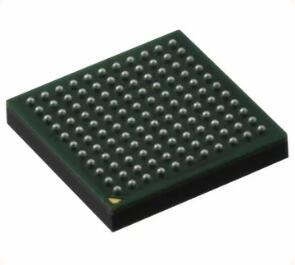
Details
BUY MK64FN1M0VDC12 https://www.utsource.net/itm/p/12612304.html
| Parameter | Description | Value |
|---|---|---|
| Device | Microcontroller | MK64FN1M0VDC12 |
| Family | Kinetis K Series | |
| Core | ARM Cortex-M4 | |
| Frequency | Maximum CPU Frequency | 120 MHz |
| Flash Memory | Program Memory | 1 MB |
| RAM | Data Memory | 256 KB |
| Voltage (VDD) | Operating Voltage Range | 1.71 V to 3.63 V |
| Temperature Range | Operating Temperature Range | -40掳C to +85掳C |
| Package | Package Type | LQFP-144 |
| Pin Count | Number of Pins | 144 |
| Clock Sources | System Clock Sources | Internal/External |
| Peripheral Modules | Number of Peripheral Modules | |
| ADC | Analog-to-Digital Converter Channels | 16-bit, 16 channels |
| DAC | Digital-to-Analog Converter Channels | 12-bit, 2 channels |
| Timers | General Purpose Timers | 6 |
| Serial Communication | UART, SPI, I2C, CAN | |
| GPIO | General Purpose Input/Output Pins | 100+ |
| Watchdog Timer | Watchdog Timer | Yes |
| Low Power Modes | Sleep, Stop, VLPR, VLPS, LLS, VLLS | |
| Debug Interface | JTAG, SWD | |
| Programming Interface | ISP, ICP, IVP |
Instructions for Use:
Power Supply:
- Ensure the operating voltage is within the specified range (1.71 V to 3.63 V).
- Use appropriate decoupling capacitors to stabilize the power supply.
Clock Configuration:
- Configure the system clock using internal or external clock sources.
- Set the clock frequency to the desired value (up to 120 MHz).
Memory Initialization:
- Initialize the flash memory and RAM according to the application requirements.
- Use the provided startup code to configure the memory.
Peripheral Setup:
- Configure the ADC, DAC, timers, and communication interfaces as needed.
- Initialize GPIO pins for input/output operations.
Low Power Modes:
- Implement low power modes (Sleep, Stop, VLPR, VLPS, LLS, VLLS) to reduce power consumption.
- Use the appropriate registers to enter and exit these modes.
Debugging:
- Connect a debugger using JTAG or SWD interface for debugging and programming.
- Use the integrated development environment (IDE) to load and run the code.
Programming:
- Use the ISP (In-System Programming), ICP (In-Circuit Programming), or IVP (In-Application Programming) methods to program the device.
- Follow the programming guidelines provided in the datasheet and reference manual.
Environmental Considerations:
- Operate the device within the specified temperature range (-40掳C to +85掳C).
- Ensure proper heat dissipation if running at high frequencies or under high loads.
Safety and Compliance:
- Follow all safety and compliance guidelines provided by the manufacturer.
- Ensure the device is used in a manner that complies with relevant standards and regulations.
View more about MK64FN1M0VDC12 on main site