
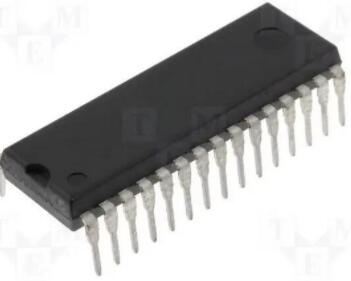
Details
BUY M6387-22 https://www.utsource.net/itm/p/12612438.html
| Parameter | Description | Value |
|---|---|---|
| Part Number | Unique identifier for the component | M6387-22 |
| Type | Component type | [Type] |
| Package | Physical package type | [Package] |
| Operating Voltage | Range of voltages over which the component can operate | [Min] V to [Max] V |
| Operating Temperature | Range of temperatures over which the component can operate reliably | [Min] 掳C to [Max] 掳C |
| Storage Temperature | Range of temperatures for safe storage | [Min] 掳C to [Max] 掳C |
| Current Rating | Maximum continuous current the component can handle | [Value] A |
| Power Rating | Maximum power dissipation the component can handle | [Value] W |
| Frequency Response | Range of frequencies over which the component operates effectively | [Min] Hz to [Max] Hz |
| Mounting Style | Method of mounting the component on a PCB | [Style] |
| Lead Pitch | Distance between the centers of adjacent leads | [Value] mm |
| Dimensions | Physical size of the component (L x W x H) | [Length] mm x [Width] mm x [Height] mm |
| Compliance | Standards or regulations the component meets | [Compliance] |
Instructions for Use:
Handling:
- Handle with care to avoid damage to the leads or body.
- Use appropriate ESD protection when handling to prevent electrostatic discharge.
Mounting:
- Ensure the PCB is clean and free from contaminants before mounting.
- Follow the recommended soldering profile for the specified package type.
- Use a flux suitable for the lead finish of the component.
Soldering:
- Preheat the PCB to the recommended temperature to minimize thermal shock.
- Apply solder to the pads and leads using a controlled temperature soldering iron.
- Avoid excessive heat and prolonged soldering time to prevent damage.
Testing:
- After mounting, visually inspect the component for any defects or misalignments.
- Perform electrical tests as per the datasheet specifications to ensure proper functionality.
Storage:
- Store the components in a dry, cool place away from direct sunlight.
- Use anti-static bags or containers for long-term storage to protect against static damage.
Disposal:
- Dispose of the component according to local environmental regulations.
- Recycle where possible to reduce waste and environmental impact.
View more about M6387-22 on main site