
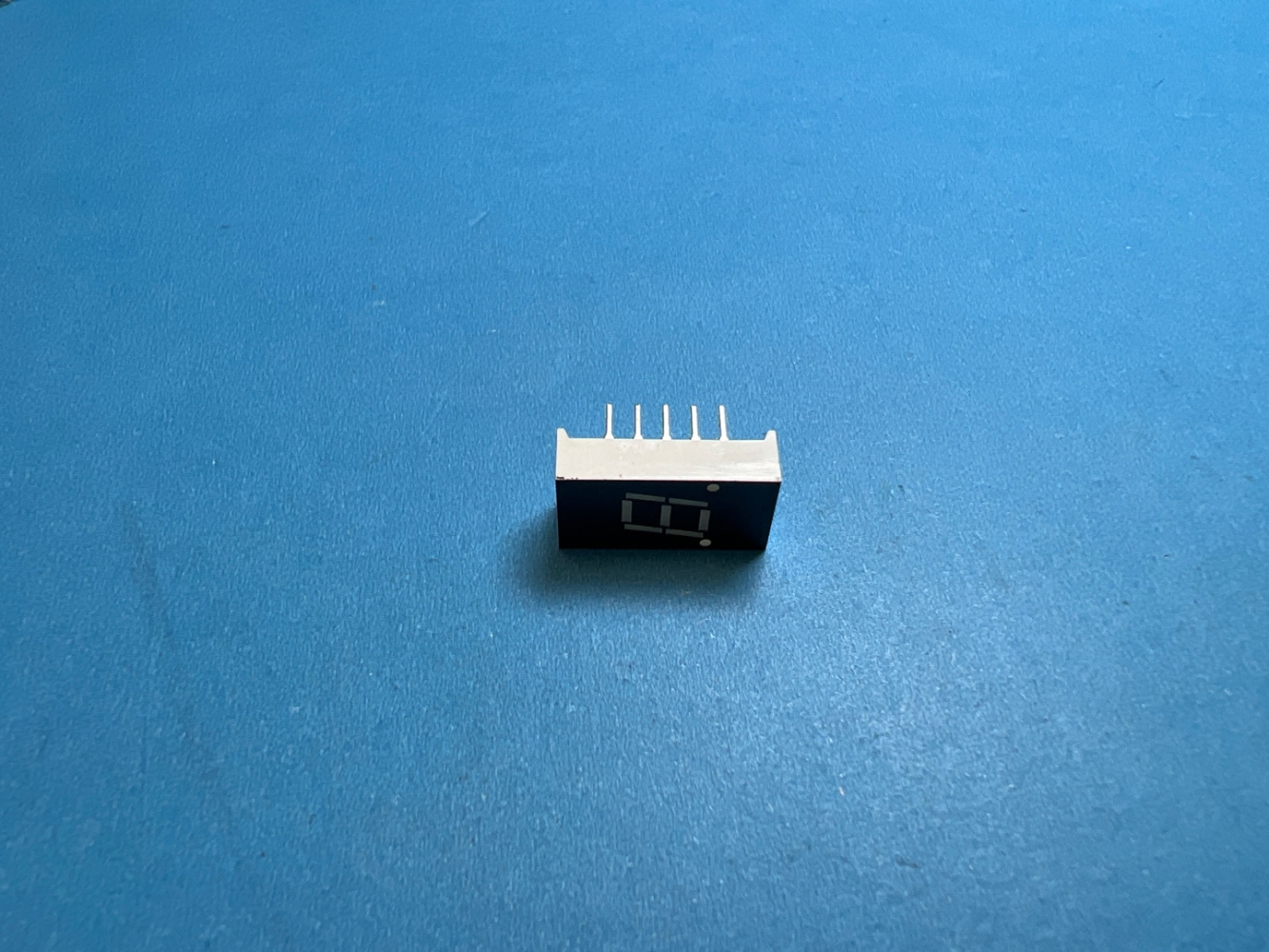
Details
BUY TIL313 https://www.utsource.net/itm/p/12618199.html
| Parameter | Symbol | Min | Typ | Max | Unit | Description |
|---|---|---|---|---|---|---|
| Supply Voltage | VCC | 4.5 | 5.0 | 5.5 | V | Operating supply voltage |
| Forward Current | IF | - | 20 | 50 | mA | Maximum forward current per LED |
| Output Current | IO | - | 10 | 20 | mA | Maximum output current |
| Input Voltage | VI | - | 1.2 | 1.8 | V | Forward voltage drop per LED |
| Output Voltage | VO | - | 0.5 | 1.0 | V | Output voltage drop |
| Isolation Voltage | VISO | 1500 | - | - | V | Minimum isolation voltage |
| Insulation Resistance | RISO | 100 | - | - | M惟 | Minimum insulation resistance |
| Operating Temperature | TOP | -40 | - | 85 | 掳C | Operating temperature range |
| Storage Temperature | TSTG | -55 | - | 150 | 掳C | Storage temperature range |
Instructions for Use:
Supply Voltage (VCC):
- Ensure the supply voltage is within the range of 4.5V to 5.5V to avoid damage to the device.
Forward Current (IF):
- The maximum forward current per LED should not exceed 50mA to prevent overheating and potential failure.
Output Current (IO):
- The maximum output current should be limited to 20mA to ensure reliable operation.
Input Voltage (VI):
- The forward voltage drop per LED is typically between 1.2V and 1.8V. Design your circuit to accommodate this voltage drop.
Output Voltage (VO):
- The output voltage drop is typically between 0.5V and 1.0V. This should be considered when designing the load circuit.
Isolation Voltage (VISO):
- The device provides a minimum isolation voltage of 1500V. Ensure that the application does not exceed this limit to maintain safety and performance.
Insulation Resistance (RISO):
- The minimum insulation resistance is 100M惟. This ensures proper electrical isolation between the input and output sides.
Operating Temperature (TOP):
- The device can operate within a temperature range of -40掳C to 85掳C. Avoid operating outside this range to prevent damage.
Storage Temperature (TSTG):
- Store the device in a temperature range of -55掳C to 150掳C to ensure its longevity and reliability.
Handling:
- Handle the device with care to avoid static discharge, which can damage the internal components. Use proper ESD protection measures.
Mounting:
- Follow recommended soldering profiles and mounting guidelines to ensure proper thermal management and mechanical stability.
Testing:
- Before integrating the device into a final design, perform thorough testing under various conditions to validate its performance and reliability.
View more about TIL313 on main site